You can study hard, understand your subject, and still lose marks if your assignments raise plagiarism flags. It’s frustrating—especially when “plagiarism” doesn’t always mean intentional copying. Similar phrasing, common definitions, poorly cited sources, or even reused content from your own past work can trigger high similarity scores and cost you grades.
That’s why a plagiarism checker isn’t just a “nice-to-have” tool anymore. For students aiming for a higher CGPA, it’s a practical advantage: it helps you submit cleaner work, cite properly, and build better academic writing habits over time.
Why Plagiarism Hurts Your CGPA (Even When You Didn’t Mean It)
Plagiarism impacts grades in direct and indirect ways:
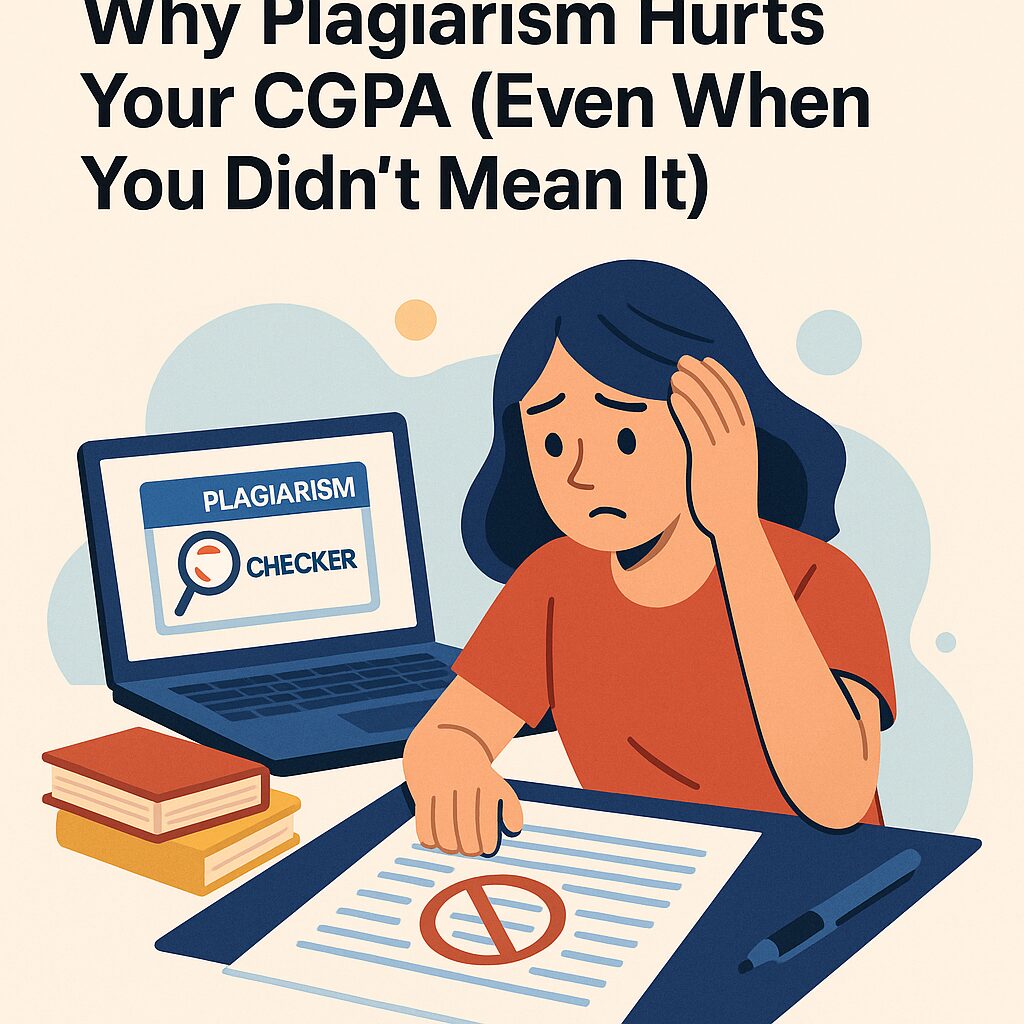
- Immediate score penalties: Many instructors deduct marks for high similarity percentages or missing citations.
- Redo requests and late submissions: If you’re asked to revise and resubmit, you may lose marks due to deadlines.
- Academic misconduct risk: Serious cases can lead to failing the assignment—or worse, disciplinary action.
- Damaged credibility: Once a lecturer suspects you of copying, your work may be scrutinized more closely.
A plagiarism checker helps you identify problems before your professor or institution does.
What a Plagiarism Checker Actually Does (And What It Doesn’t)
What it does
A good plagiarism checker scans your text and compares it against:
- Web pages and online articles
- Academic papers and journals (depending on the tool)
- Previously submitted student papers (for some institutional systems)
- Common phrases and known text patterns
It then highlights matching sections and provides a similarity report, often with links to original sources.
What it doesn’t do
A checker cannot:
- Decide whether plagiarism is intentional
- Fix your writing automatically (though some tools suggest improvements)
- Replace proper referencing skills
Think of it as a warning system—you still need to revise and cite responsibly.
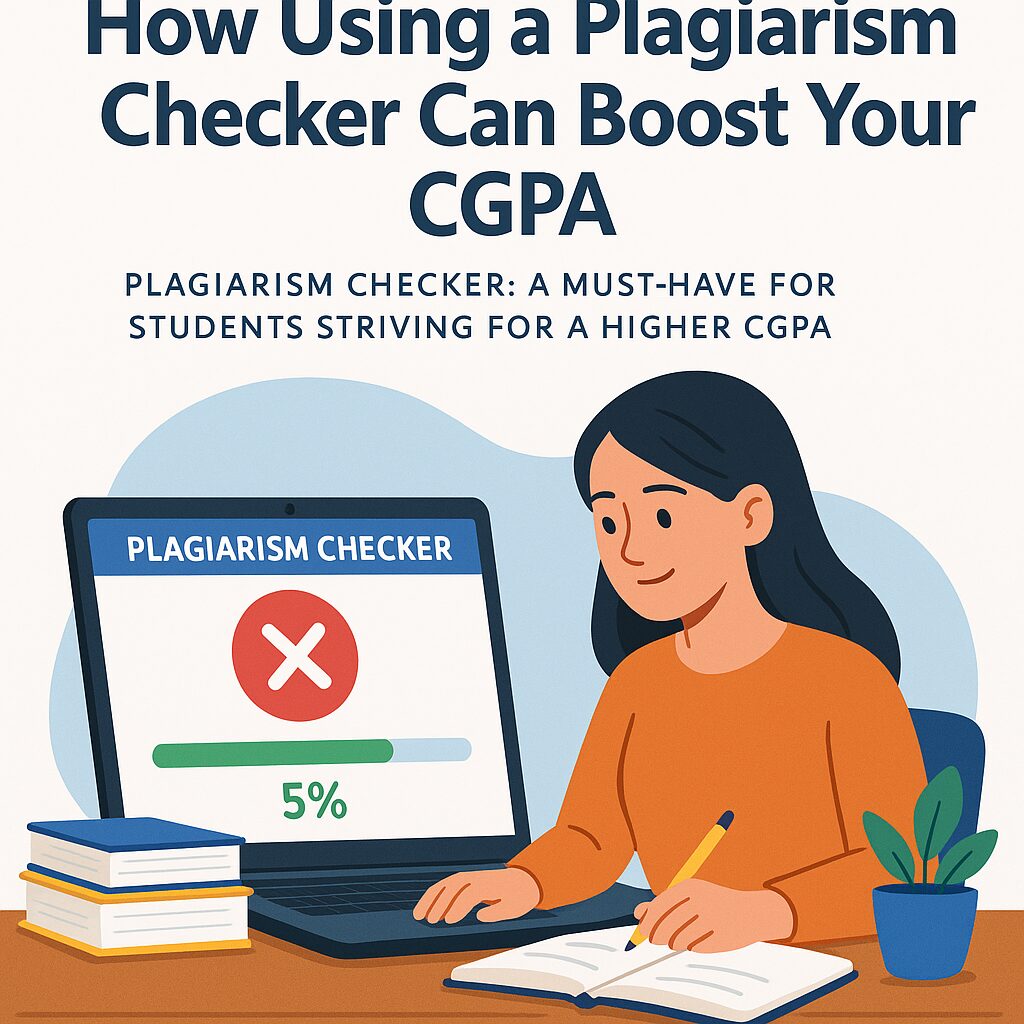
How Using a Plagiarism Checker Can Boost Your CGPA
1) You submit higher-quality assignments
When you remove copied phrasing and replace it with your own analysis, your work naturally becomes more original—and often more insightful. Many grading rubrics reward critical thinking and clarity, not just information.
2) You improve your referencing and citation habits
Most students lose marks on small citation mistakes:
- Missing in-text citations
- Incorrect paraphrasing without attribution
- Quoting without quotation marks
- Inconsistent bibliography formatting
A plagiarism checker helps you spot where citations are needed, so you can fix issues before submission.
3) You learn how to paraphrase properly
Paraphrasing isn’t swapping a few words. It’s rewriting a concept in your own structure while retaining the meaning—and citing the source.
A checker shows you which lines are still too close to the original so you can rewrite them more effectively.
4) You avoid accidental self-plagiarism
Reusing chunks from your previous lab reports, essays, or project documentation can be flagged—especially in universities that store student submissions. A checker helps you catch repeated sections early.
5) You build confidence and reduce last-minute stress
Submitting without checking can feel like gambling with your grades. A quick scan helps you submit with confidence—and spend less time panicking about similarity results.
What to Look for in a Student-Friendly Plagiarism Checker
Not all tools are equally helpful. Prioritize features that actually support academic work:
✅ Clear similarity breakdown
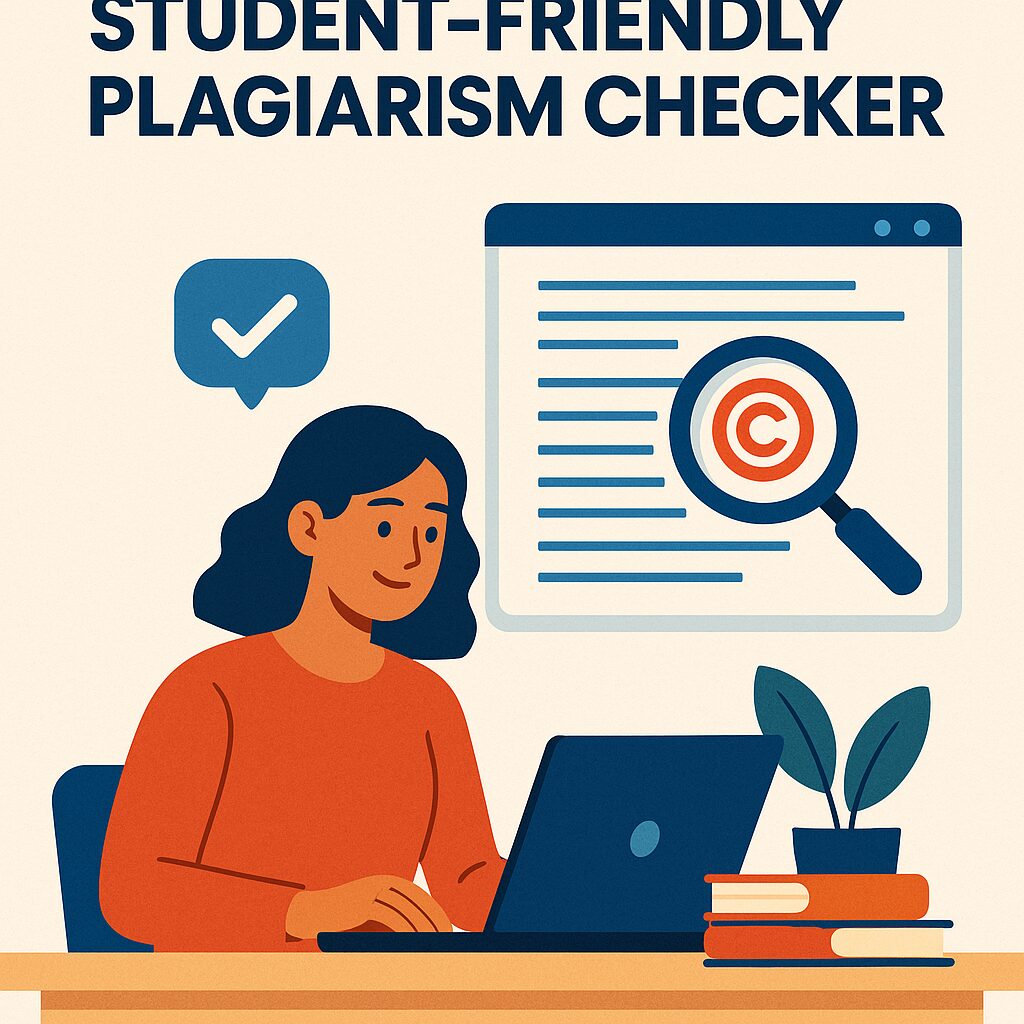
Look for:
- Highlighted matched text
- Source links
- Percentage by source (not just one overall score)
✅ Exclusions and filters
A good checker lets you exclude:
- Quotes
- Bibliography/reference lists
- Small matches or common phrases
This gives a more realistic view of your writing.
✅ Privacy and data control
Important questions:
- Does the tool store your document?
- Can your text be added to a database?
- Can you delete uploads?
For graded work, avoid tools that might “publish” or retain your paper without your consent.
✅ Support for academic formats
Bonus if it plays well with:
- APA / MLA / Chicago styles
- DOCX/PDF uploads
- Longer documents (research reports, dissertations)
Actionable Workflow: How to Use a Plagiarism Checker the Right Way
Step 1: Check early, not at the end
Run your first scan when your draft is about 70–80% complete. This gives you time to revise properly.
Step 2: Don’t chase “0% similarity”
Some similarity is normal—especially for:
- Common terminology
- Standard definitions (with citation)
- Methodology descriptions
- Properly quoted material
Instead of aiming for zero, aim for honest originality and correct attribution.
Step 3: Fix the biggest matches first
Start with long highlighted blocks. Ask:
- Is this a direct quote? Add quotation marks + citation.
- Is it a paraphrase too close to the original? Rewrite it.
- Is it common knowledge? If not, cite it.
Step 4: Strengthen your voice
Boost originality by adding:
- Your interpretation (“This suggests…”)
- Comparisons between sources
- Real-world examples
- Your results/observations (especially in lab reports and projects)
Step 5: Re-check before submission
After edits, run a second scan to ensure your revisions didn’t introduce new issues.
Common Student Mistakes That Trigger High Similarity Scores
Over-quoting
Too many quotes—even if cited—can make your paper look stitched together. Use quotes sparingly and prioritize analysis.
Patchwriting
This is when you change a few words but keep the sentence structure. It’s one of the most common reasons students get flagged.
Missing citations after paraphrasing
Even if you paraphrase perfectly, you still need to cite the source.
Copying assignment templates or shared notes
Group notes, senior assignments, or online “sample answers” are frequently indexed and easy to detect.
Conclusion: Treat a Plagiarism Checker Like a CGPA Tool, Not a Police Tool
A plagiarism checker isn’t just about avoiding trouble—it’s about producing better work. When you use it consistently, you write more clearly, cite more accurately, and submit assignments that reflect your understanding. Over a semester, those improvements compound into better grades—and a stronger CGPA.
Call to action: Before your next submission, run your draft through a reliable plagiarism checker, review every major match, and revise with proper paraphrasing and citations. Your future self—and your CGPA—will thank you.


