In the world we live in now it is very important that the work you do is not copied from someone. If you are a student or someone who writes on the internet it is crucial that your work is original.
This is how you can be believed and trusted. You also do not want to get in trouble for using someone Work.
Search engines like Google want to see work that’s unique and not copied. So if you want your website to be seen by a lot of people you need to make sure your work is original.
This guide will show you ways to make sure your work is 100% original. It will also show you how to keep your work good and trustworthy while using the right tools and getting help, from experts who know what they are doing with original content and original content.
What is Plagiarism and Why It Matters
Plagiarism is the act of copying someone else’s work, ideas, or words without proper attribution. It can occur intentionally or unintentionally.
Types of Plagiarism:
* copying is when you copy and paste something from somewhere else
* Paraphrasing without giving credit is also a type of plagiarism
* Self-plagiarism is when you use your work again without saying so
* Accidental plagiarism happens when you forget to give credit
Why Avoid Plagiarism:
Plagiarism can get you in trouble with penalties
You will also lose credibility when people find out you are a plagiarism type of person
If you have a website plagiarism can make your SEO ranking drop
And in some cases plagiarism can even have legal consequences, for plagiarism so you should really avoid plagiarism at all costs to avoid these types of consequences.
👉 Original content builds authority, trust, and long-term success.
Understanding E-E-A-T and Original Content
E-E-A-T stands for:
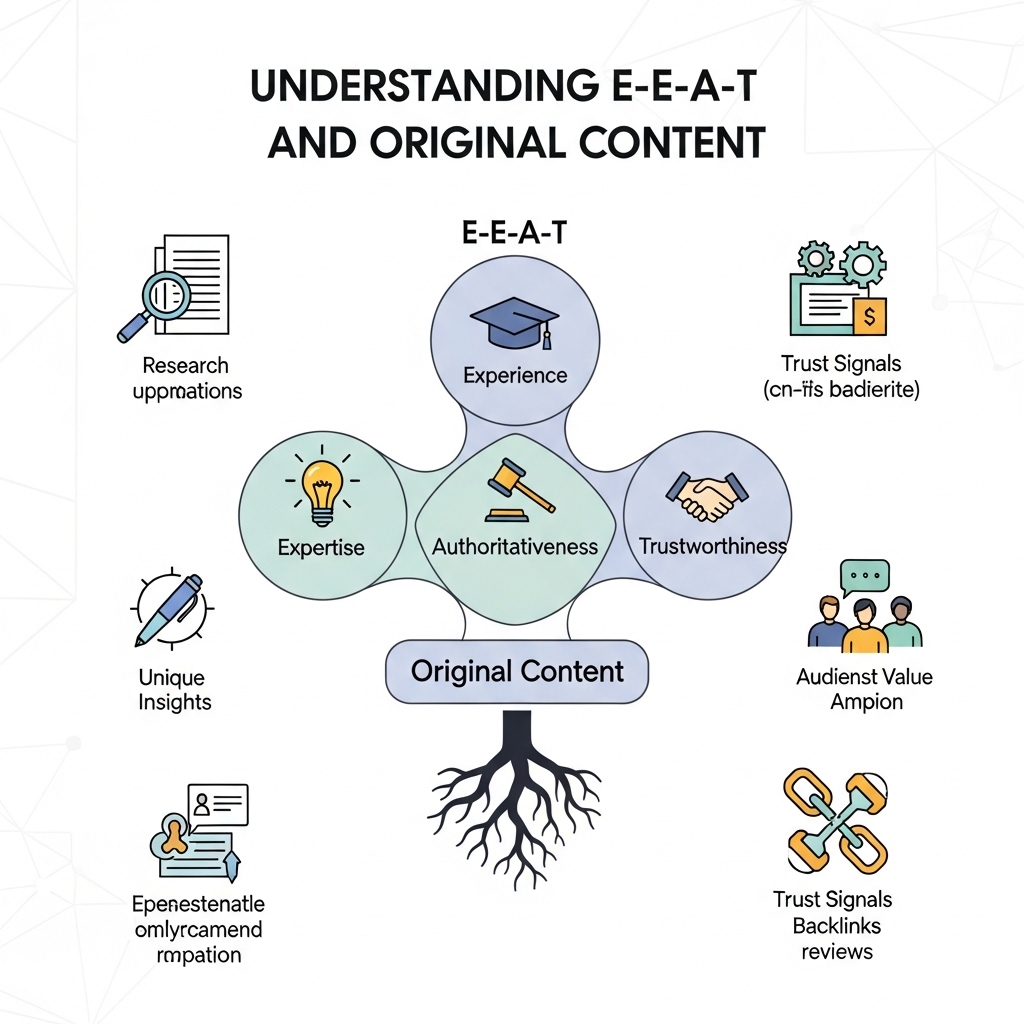
- Experience
- Expertise
- Authoritativeness
- Trustworthiness
Google uses these signals to rank content. Plagiarism directly harms all four.
👉 Unique, well-researched content improves rankings and user trust.
Top Strategies to Ensure Plagiarism-Free Content
1. Always Write in Your Own Words
Instead of copying, understand the topic and rewrite it naturally.
Example:
❌ Copied:
“GPA is an academic performance indicator used globally.”
✅ Original:
“GPA is a widely used system to measure a student’s academic success across subjects.”
👉 Focus on understanding, not copying.
2. Use Proper Citations and References
Whenever you use data, quotes, or ideas, give credit.
Common Citation Styles:
- APA
- MLA
- Chicago
👉 Proper citations eliminate plagiarism risk completely.
3. Paraphrase Correctly (Not Just Rewriting Words)
Paraphrasing means changing structure, tone, and wording.
Bad Paraphrasing:
Changing only a few words
Good Paraphrasing:
- Change sentence structure
- Use synonyms
- Add your own explanation
👉 Combine rewriting with understanding.
4. Use Plagiarism Checker Tools
Modern tools detect duplicate content instantly.
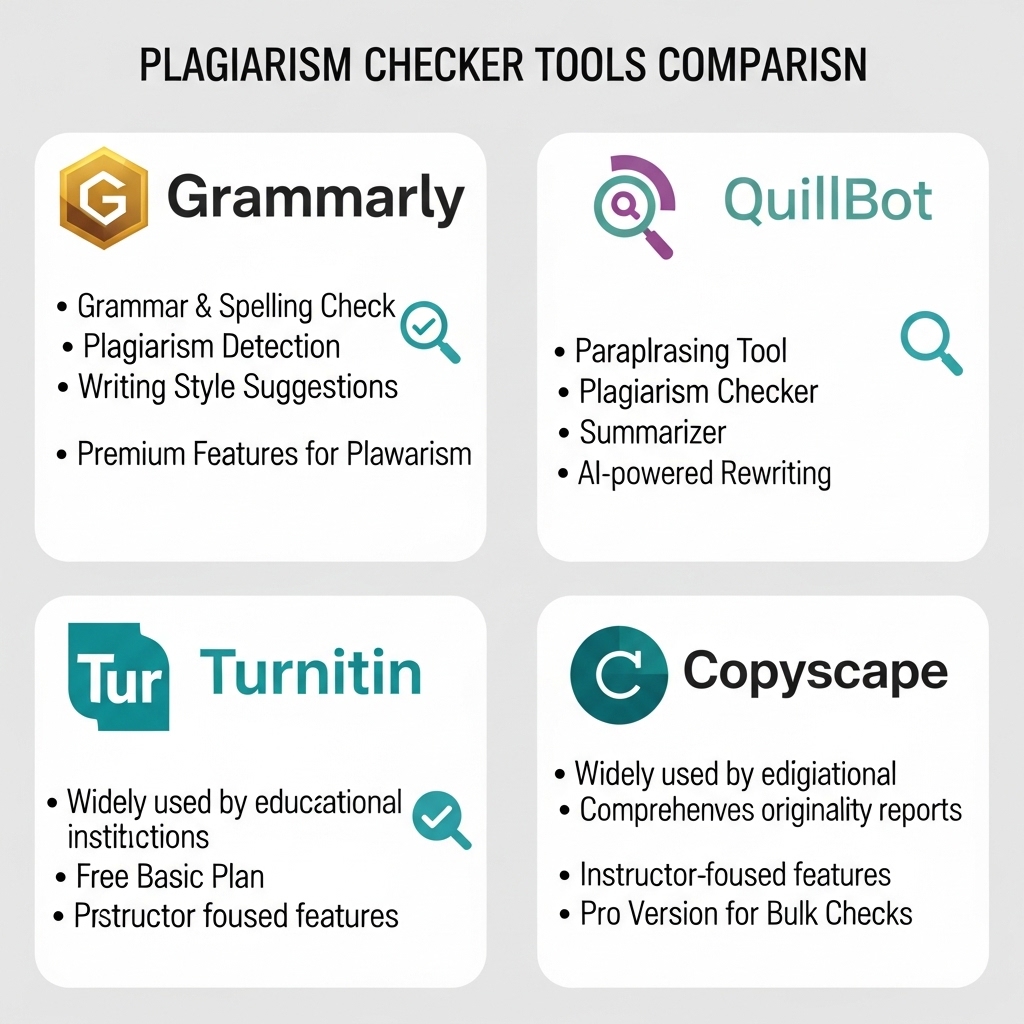
Popular Tools:
- Grammarly
- Turnitin
- QuillBot
- Copyscape
👉 These tools ensure your content is unique before publishing.
5. Keep Track of Your Sources
Always note where your information comes from.
Best Practice:
- Maintain a reference list
- Bookmark sources
- Use note-taking apps
👉 This prevents accidental plagiarism.
6. Avoid Copy-Paste Research Habits
Many students copy content during research and forget to rewrite later.
Solution:
- Take notes in bullet points
- Close the source
- Write from memory
👉 This ensures originality.
7. Add Your Own Insights and Examples
Unique examples make your content stand out.
Example:
Instead of generic explanations, include:
- Personal experiences
- Case studies
- Real-life scenarios
👉 This boosts originality and E-E-A-T.
8. Use AI Tools Carefully
AI tools are helpful. We must use them in a careful way.
Here are some tips:
* Edit the content that AI tools generate
* Add your thoughts and ideas
* Check that the information is correct
* AI tools and human editing together give the best results.
9. Check Before You Submit or Publish
Always run a final plagiarism check.
Checklist:
- Grammar check
- Plagiarism scan
- Citation review
👉 Final review prevents mistakes.
10. Understand Common Mistakes
Mistakes to Avoid:
- Copying without citation
- Poor paraphrasing
- Ignoring references
- Over-reliance on AI
👉 Awareness reduces risk.
Plagiarism vs Original Content (Comparison Table)
| Factor | Plagiarized Content | Original Content |
|---|---|---|
| SEO Ranking | Low | High |
| Credibility | Poor | Strong |
| Risk | High penalties | Safe |
| User Trust | Low | High |
| Authority | Weak | Strong |
Step-by-Step Process to Write Plagiarism-Free Content
Step 1: Research Deeply
Understand the topic from multiple sources
Step 2: Take Notes
Write key points in your own words
Step 3: Create Outline
Structure your content clearly
Step 4: Write Naturally
Avoid copying phrases
Step 5: Add Value
Include examples and insights
Step 6: Check Plagiarism
Use tools before publishing
👉 This workflow guarantees originality.
Real-Life Example (Before & After)
Original Source:
“AI tools help students improve academic performance.”
Plagiarized Version:
“AI tools help students improve academic performance.” ❌
Improved Version:
“Artificial intelligence tools assist students in enhancing their academic results by simplifying learning and improving efficiency.” ✅
Best Tools for Plagiarism-Free Writing
| Tool | Feature | Benefit |
|---|---|---|
| Grammarly | Plagiarism detection | Easy to use |
| Turnitin | Academic checking | Highly accurate |
| QuillBot | Paraphrasing | Improves rewriting |
| Copyscape | Web content scan | SEO protection |
Why Plagiarism-Free Content Helps SEO
- Improves Google ranking
- Increases user engagement
- Reduces bounce rate
- Builds authority
- Enhances trust signals
👉 Google rewards original, valuable content.
Advanced Tips for 2026 (Expert Level)
1. Use Semantic Keywords
Include related terms naturally
2. Write Long-Form Content
Detailed content ranks better
3. Focus on User Intent
Answer real questions
4. Build Authority
Publish consistent, high-quality content
5. Update Content Regularly
Keep information fresh
FAQs (Featured Snippet Optimized)
Q1: How can I check if my work is plagiarism-free?
Use tools like Grammarly or Turnitin to scan your content for duplicates.
Q2: Is paraphrasing considered plagiarism?
Not if done correctly with proper understanding and restructuring.
Q3: What percentage of plagiarism is acceptable?
Ideally 0%, but under 5% may be acceptable for references.
Q4: Can AI-generated content be plagiarized?
Yes, if not edited properly or if it closely matches existing content.
Q5: Why is plagiarism bad for SEO?
Search engines penalize duplicate content, lowering rankings.
Conclusion
Making sure your work does not copy others is really important for doing in school having people respect you at work and doing well on search engines.
When you know what copying is you use ways to avoid it and you use new tools to help you you can make good content that is yours alone every time.
Remember, making something that is yours is not just about not copying others it is, about making something valuable sharing what you think and making people trust you.
Follow what this guide says to make content that people notice that people see before others and that helps you do well for a time. Your work and your content should be plagiarism-free to do.


